AI in Web Design: How Artificial Intelligence Is Reshaping the Web in 2025
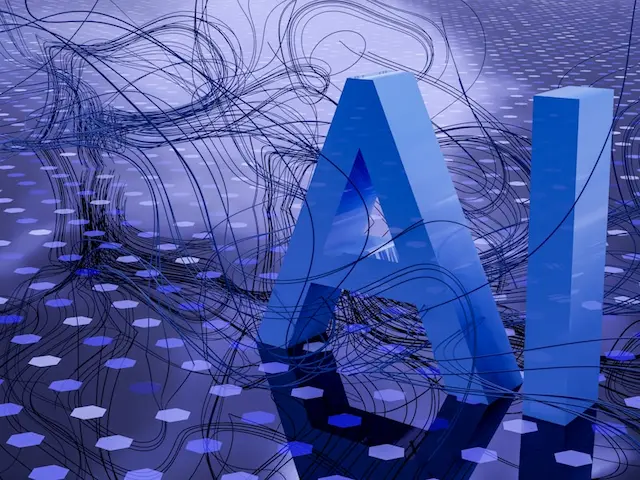
Artificial intelligence stopped being a buzzword in web design somewhere around the moment it started saving teams real hours every week. In 2025, AI is woven into the day-to-day of how agencies research, prototype, build, and ship websites. The question is no longer whether to use it, but where it genuinely improves the outcome.
From blank canvas to first draft
The biggest shift is at the start of a project. Generative tools now produce credible first-draft layouts, copy, and imagery in minutes. That does not replace a designer's judgement, but it removes the friction of the blank canvas. Teams spend less time on the mechanical 80% and more time on the 20% that defines a brand.
Used well, AI becomes a tireless junior collaborator:
- Drafting wireframe variations to react to
- Generating placeholder copy that reads like the real thing
- Producing on-brand imagery and iconography for prototypes
- Suggesting component patterns from a design system
Personalisation at scale
Static, one-size-fits-all pages are increasingly the exception. AI-driven personalisation tailors hero messaging, product recommendations, and calls to action to the individual visitor based on behaviour and context. For a digital agency, this is where measurable conversion gains live.
The goal is not to personalise everything. It is to personalise the few moments that change a decision.
Accessibility as a first-class citizen
One of the most underrated uses of AI is accessibility. Modern tooling can flag low-contrast text, missing alt attributes, illogical heading order, and keyboard traps before a single user ever hits the page. It does not absolve teams of manual auditing, but it catches the obvious problems early and cheaply.
Where humans still win
AI is excellent at variation and terrible at taste. It will happily generate a hundred layouts and have no opinion about which one is right. Strategy, brand voice, emotional resonance, and editorial judgement remain stubbornly human.
The agencies winning in 2025 treat AI as leverage, not as a replacement for craft. They automate the repetitive, and they reinvest the saved time into the work that actually differentiates a brand.
Practical takeaways
- Adopt AI where it removes friction, not where it removes thinking.
- Keep a human in the loop for anything brand-defining.
- Use AI to make accessibility checks routine, not occasional.
- Measure the impact: faster shipping and higher conversion, or it is just theatre.
AI in web design in 2025 is a force multiplier for teams that already know what good looks like. The fundamentals — clarity, performance, accessibility, and a strong point of view — matter more than ever.
Related Articles
 Performance
Core Web Vitals in 2025: Mastering INP After the FID Sunset
Interaction to Next Paint (INP) has replaced First Input Delay as a Core Web Vital. Here is what changed, why it is harder to pass, and how to fix it.
 Development
Headless CMS in 2025: Trends Every Growing Brand Should Watch
Headless content management has gone mainstream. We break down the trends that matter — from visual editing to content federation — and when a headless approach is the right call.
 SEO
SEOSEO in 2025: What Actually Moves the Needle Now
AI overviews, helpful-content signals, and a relentless focus on intent have rewritten the SEO playbook. Here is where to spend your effort in 2025.